Two senior Mumbai architects say the city’s redevelopment wave has quietly made design a democratic choice. Karl Wadia of Architect Hafeez Contractor and Carl Bhesania of Talati & Partners made the point in the final episode of designboom’s Room for Utopias podcast, released on 26 November. The series was produced with INDX|GLOBAL during Paris Design Week 2026.
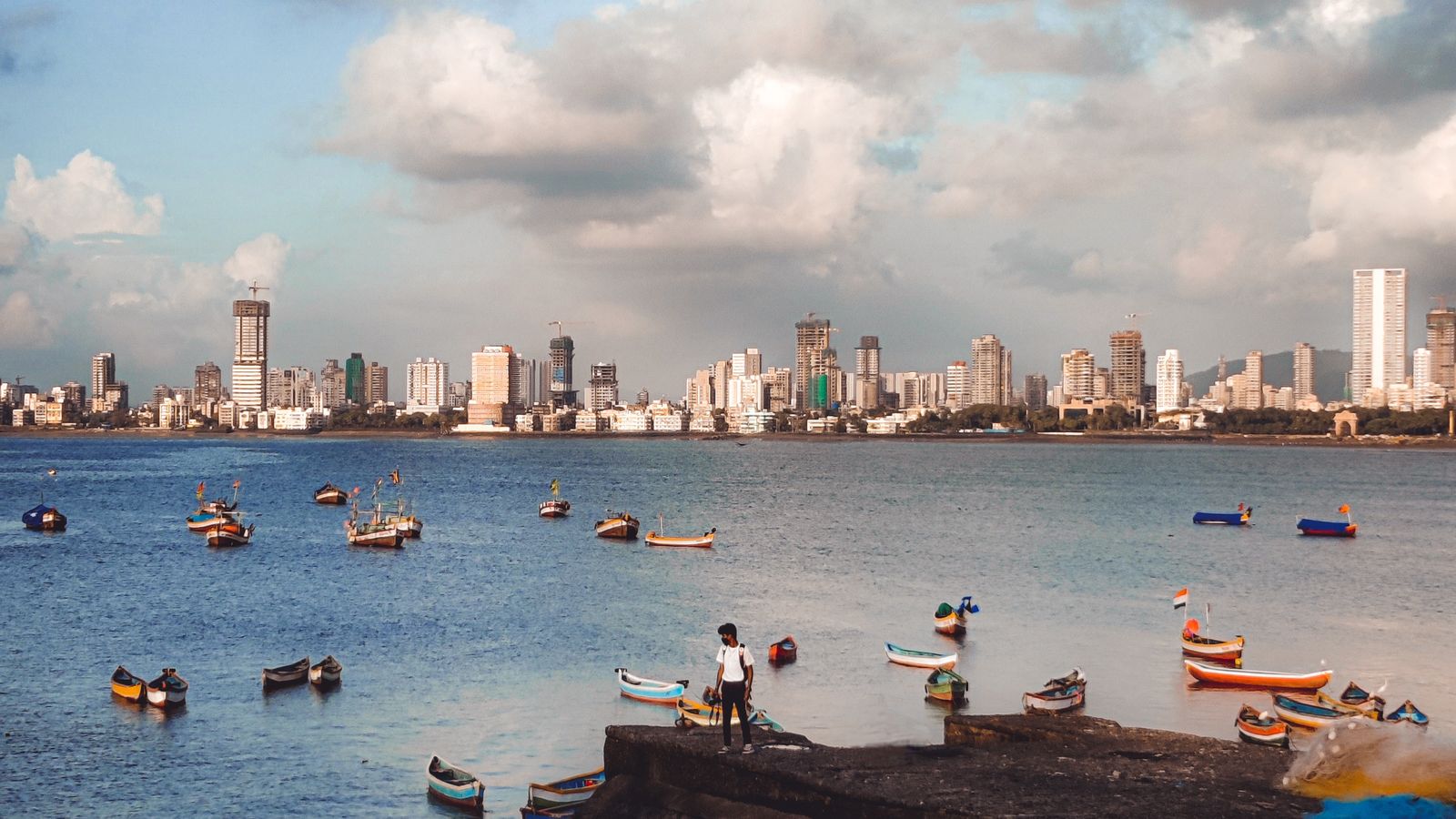
Land scarcity in Mumbai is driving the replacement of older housing plots with taller, denser buildings. In many of these projects, resident housing societies compare competing proposals from developers and their architects and then vote on the one they want. Wadia said this means the look of each new building, and the way it sits on its site, is chosen in advance by the people who will live there.
The pair noted that this resident-led process has helped revive Mumbai’s Art Deco language, whose deep overhangs and measured window-to-wall ratios suit the city’s harsh sun and monsoon. The challenge is scaling proportions first drawn for low and mid-rise buildings up to towers of 200 to 250 metres while keeping the street-level experience coherent.
Bhesania argued for restraint over spectacle. In his view, good buildings often work quietly and should fit where they stand rather than look out of place. He also urged studios to plan for change from the start, for example with column-free floor plates that can adapt to new household and wellness routines over decades without demolition.
Wadia said leadership in practice now depends on listening, and that design improves when people of different genders, abilities and generations take part on equal terms.
Featured image: Pexels